

Stress: How It Impacts Your Body and Brain
- garzaj25
- Apr 19
- 3 min read

Updated: Apr 20
Stress is a natural and necessary part of life. In short bursts, it sharpens focus, improves reaction time, and helps you respond to challenges. But when stress becomes chronic, it shifts from helpful to harmful, affecting not just your physical health, but also the structure and function of your brain.
The Biology of Stress
At the core of the stress response is a powerful system known as the hypothalamic-pituitary-adrenal (HPA) axis. When you perceive a threat, your brain signals the release of stress hormones like cortisol and adrenaline. This “fight-or-flight” response prepares your body to act quickly. In acute situations, this response is beneficial.
However, prolonged activation, such as ongoing work pressure, trauma, or chronic anxiety, can disrupt the body’s balance and lead to long-term consequences.
Physical Health Effects of Chronic Stress
Chronic stress has been linked to a wide range of health conditions, including:
Cardiovascular strain: Persistent stress elevates blood pressure and increases the risk of heart disease and stroke
Weakened immune system: Long-term cortisol exposure suppresses immune function, making you more susceptible to infections
Metabolic dysfunction: Stress can contribute to weight gain, insulin resistance, and increased risk of type 2 diabetes
Gastrointestinal issues: Conditions like irritable bowel syndrome (IBS) and acid reflux are often worsened by stress
Sleep disruption: Elevated cortisol interferes with normal sleep cycles, leading to fatigue and cognitive impairment
Over time, the cumulative effect of stress on the body is referred to as allostatic load, the “wear and tear” that builds up across multiple biological systems.
Neurological Effects: What Stress Does to the Brain
Stress doesn’t just affect how you feel, it can physically change your brain.
1. The Amygdala: Heightened Fear and Anxiety
The amygdala, responsible for processing fear and emotional responses, becomes overactive under chronic stress. This can make individuals more sensitive to perceived threats and contribute to anxiety disorders.
2. The Hippocampus: Memory and Learning Impairment
The hippocampus, which plays a critical role in memory formation, is particularly vulnerable to prolonged cortisol exposure. Chronic stress can shrink this region, leading to memory difficulties and impaired learning.
3. The Prefrontal Cortex: Reduced Decision-Making Ability
The prefrontal cortex governs executive functions such as decision-making, impulse control, and emotional regulation. Stress weakens this area, making it harder to concentrate, plan, and regulate behavior.
4. Neurotransmitter Imbalance
Chronic stress disrupts key neurotransmitters such as serotonin and dopamine, which are essential for mood regulation. This imbalance is strongly associated with depression and anxiety.
Behavioral and Psychological Consequences
The biological and neurological effects of stress often manifest in everyday behavior:
Increased irritability or mood swings
Difficulty concentrating or making decisions
Withdrawal from social interactions
Increased reliance on unhealthy coping mechanisms (e.g., substance use, overeating)
Burnout and emotional exhaustion
Over time, these patterns can create a cycle where stress worsens mental health, and declining mental health further amplifies stress.
Long-Term Implications
If left unaddressed, chronic stress can contribute to serious long-term outcomes, including:
Major depressive disorder and anxiety disorders
Cognitive decline and increased risk of neurodegenerative diseases
Cardiovascular disease
Reduced life expectancy
Emerging research also suggests that chronic stress may influence gene expression through epigenetic changes, potentially affecting how individuals respond to stress across their lifespan.
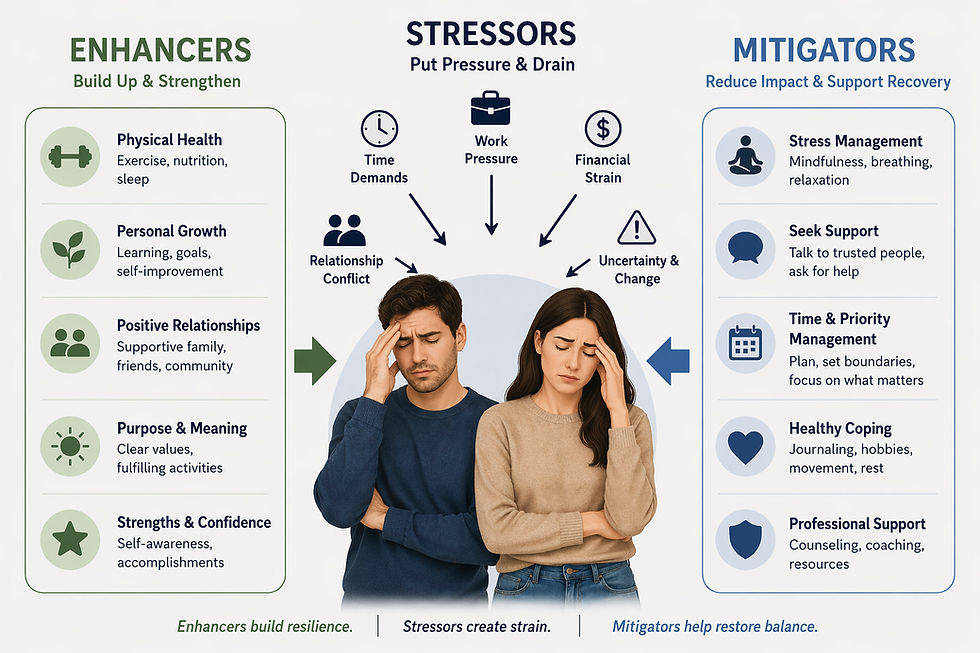
Managing Stress: Protecting Your Brain and Body
While stress is unavoidable, its impact can be significantly reduced with intentional strategies:
Physical activity: Regular exercise helps regulate cortisol and improve mood
Sleep hygiene: Prioritizing consistent, quality sleep restores brain function
Mindfulness and relaxation techniques: Practices like meditation and deep breathing calm the nervous system
Social connection: Strong relationships buffer against stress
Professional support: Therapy or counseling can help address chronic stress and its underlying causes
Final Thoughts
Stress is not inherently harmful, it becomes dangerous when it is constant and unmanaged. Understanding how stress affects both the body and brain is a critical step toward prevention and intervention. By addressing stress early and consistently, individuals can protect their neurological function, improve overall health, and enhance quality of life.
-Author: Jordan Garza, Founder of Lifeline Strategies, LLC
Lifeline Strategies specializes in community health, resilience, and evidence-based approaches to improving public safety and well-being.


Comments