
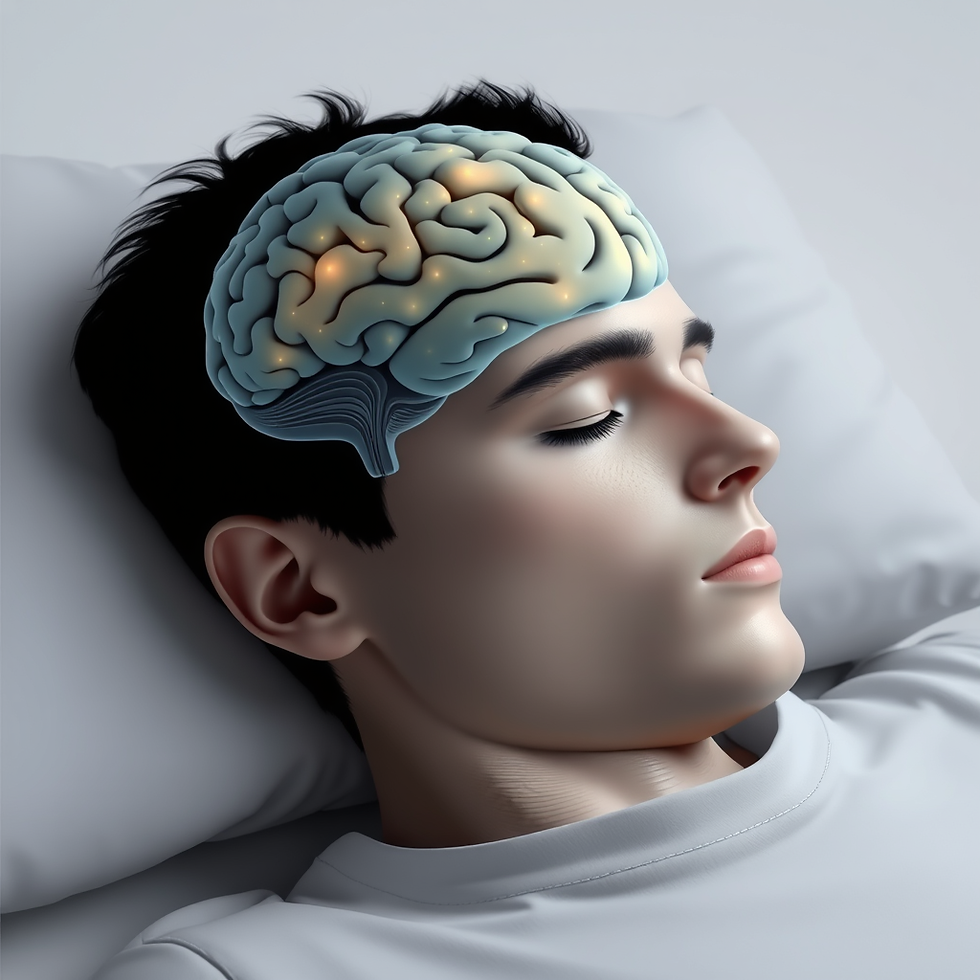
Sleep and Behavioral Health: A Cross-Sector Priority for Schools, Law Enforcement, Threat Assessment Teams, and Healthcare Professionals
- garzaj25
- Nov 17, 2025
- 2 min read

Updated: Feb 2
Across schools, public safety, healthcare, and behavioral threat assessment teams, one foundational factor consistently influences well-being, performance, and safety: sleep. Adequate sleep is a biological reset system that supports emotional regulation, cognition, and decision-making. When sleep breaks down, behavioral health, and sometimes safety, often deteriorates.
This blog and the following resources guide (Toolkit here!) outlines the shared importance of sleep across sectors, with tailored insights for each professional environment.
Why Sleep Matters for Behavioral Health
Healthy sleep supports:
Emotional stability
Executive functioning and problem-solving
Impulse control and judgment
Stress resilience
Memory and learning
Physical health and injury prevention
When sleep is disrupted, individuals are more vulnerable to:
Mood instability
Anxiety or depression
Irritability and conflict
Risk-taking behaviors
Substance misuse
Difficulty concentrating or making decisions
Crisis escalation
Regardless of setting, classroom, clinic, or campus, sleep problems are often among the earliest signs of strain.
Sector-Specific Impacts
1. Schools (K–12 and Higher Education)
Students with inadequate sleep are more likely to experience:
Attention problems and learning difficulties
Increased disciplinary incidents
Emotional volatility
Social conflict
Lower academic performance
Sleep changes often reveal early distress, bullying, anxiety, depression, family issues, or burnout. Supporting student sleep strengthens school climate, academic achievement, and overall safety.
What Schools Can Do:
Educate families and students on sleep hygiene
Address late-night screen use
Monitor sleep in counseling and wellness assessments
Consider schedule adjustments when possible
Refer students with chronic sleep issues for clinical evaluation
2. Behavioral Threat Assessment & Management (BTAM)
Sleep disruption is a critical yet often overlooked early warning indicator in threat assessment.
Escape from stress, hyperarousal, depression, and crisis escalation frequently manifest as:
Staying up all night
Dramatic sleep schedule reversals
Insomnia tied to anxiety or trauma
Excessive sleeping (hypersomnia)
Withdrawal from school, work, or routines
Monitoring sleep helps teams understand an individual’s level of strain, coping capacity, and overall stabilization.
How BTATs Can Integrate Sleep:
Ask about sleep during interviews and assessments
Track shifts over time as part of case management
Collaborate with medical/mental-health providers
Use improved sleep as a stabilization marker
Provide sleep education and coping strategies
Sleep is both an indicator of risk and a pathway to recovery.
3. Healthcare Clinics (Primary, Behavioral Health, Integrative Medicine)
For clinics, sleep is a critical diagnostic and therapeutic factor.
Poor sleep is associated with:
Depression and anxiety
Cognitive decline
Cardiovascular disease
Weight gain and metabolic problems
Chronic pain
Increased risk of self-harm
Improving sleep is often one of the most effective ways to boost overall behavioral health and daily functioning.
What Clinics Can Do:
Integrate brief sleep assessments at intake
Provide behavioral sleep interventions
Screen for sleep apnea or medical causes
Offer patient education on sleep routines
Coordinate care with mental-health specialists
A Shared Message Across All Sectors: Sleep is a Protective Factor
Whether you work in a school, clinic, or behavioral threat-assessment team, sleep is a consistent predictor of:
Emotional balance
Cognitive clarity
Safer decision-making
Lower crisis risk
Stronger performance
Improved resilience
Supporting sleep is one of the simplest, most effective ways to strengthen behavioral health and prevent escalation.
-Author: Jordan Garza, Founder of Lifeline Strategies
Lifeline Strategies specializes in community health, resilience, and evidence-based approaches to improving public safety and well-being.
Comments