

Emerging Trends and Future Directions in Behavioral Threat Assessment and Management (BTAM)
- garzaj25
- Apr 8
- 4 min read

The field of Behavioral Threat Assessment and Management (BTAM) is undergoing a significant transformation. As patterns of violence evolve and scientific understanding advances, there is a growing shift toward prevention-focused, multidisciplinary approaches that emphasize early identification and long-term intervention.
Moving Beyond Static Risk Models
Traditional frameworks that categorize violence as either reactive/impulsive or predatory/planned often overlook more nuanced, atypical, or less visible “pathway” behaviors that can signal progression toward escalation. While BTAM teams are structured to assess observable actions, they have historically placed less emphasis on underlying biological drivers and root causes.
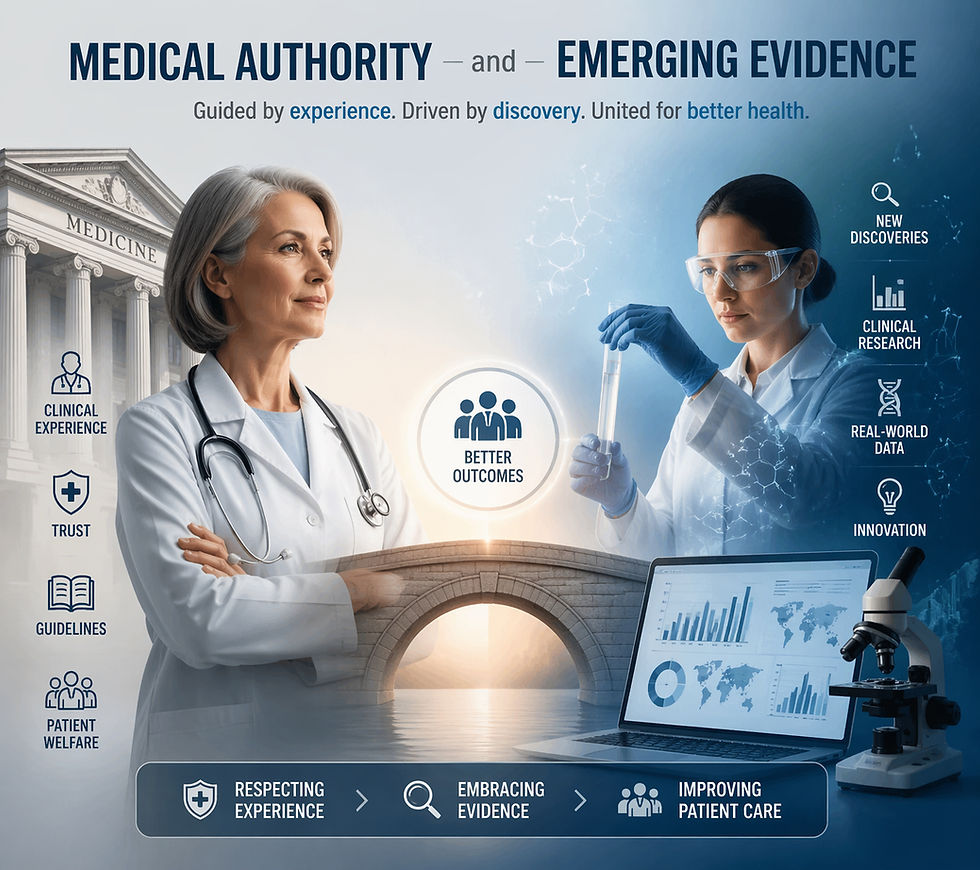
Emerging evidence suggests that behavioral and mental health outcomes are influenced not only by psychological and social dynamics, but also by biological factors including genetic variation, neuroinflammation, traumatic brain injury, hormonal imbalances, and nutritional deficiencies. Large-scale initiatives such as the Million Veteran Program (MVP) and the State of Ohio Adversity and Resilience (SOAR) Programs further demonstrate that integrating genomic, clinical, and environmental data can significantly enhance the identification and understanding of psychiatric and behavioral risk.
The Growing Influence of Neuroscience
Advances in neuroscience are reshaping how we understand behavior, decision-making, and emotional regulation. Research on brain structures such as the prefrontal cortex and amygdala has provided critical insight into impulse control, threat perception, and aggression.
Chronic stress and trauma, for example, can significantly impair executive functioning and heighten emotional reactivity. These findings are driving more targeted interventions, including trauma-informed care, stress regulation strategies, and cognitive-behavioral approaches designed to strengthen resilience and improve self-regulation.
Genetics, Epigenetics, and Behavioral Vulnerability
Closely aligned with neuroscience is the emerging role of genetics and epigenetics in BTAM. Variations in genes related to neurotransmitter regulation and stress response such as MTHFR, COMT, and MAOA, may influence how individuals process stress, regulate mood, and respond to environmental triggers.
Epigenetics further expands this understanding by demonstrating how environmental factors such as trauma, adversity, nutrition, and chronic stress can alter gene expression over time. While genetics do not determine behavior, they can help explain underlying vulnerabilities.
Integrating these insights supports a more comprehensive biopsychosocial model, enabling BTAM teams to move beyond surface-level behaviors and address root contributors to dysregulation.
Advanced Case Management System
The U.S. Secret Service National Threat Assessment Center (NTAC) recommends establishing a centralized reporting system to ensure that concerns about potentially harmful or threatening behavior are consistently captured, evaluated, and addressed. This system should be straightforward, accessible, and confidential, enabling staff, students, families, and community members to report concerns. All submissions should be routed to the school’s Threat Assessment Team for coordinated, evidence-based review and appropriate intervention. Ongoing training, monitoring, and evaluation are essential to sustain effectiveness and promote a proactive, safe school environment.
Within Behavioral Threat Assessment and Management (BTAM), advanced case management systems like those being used in Florida and Wood County, Ohio further strengthen prevention efforts by enabling the identification of patterns across cases, enhancing early warning capabilities, and supporting efficient case tracking and resource allocation. These systems safeguard sensitive information by centralizing data within a secure, controlled environment and using role-based access to ensure only authorized individuals can view or modify information, supporting minimum necessary disclosure and compliance with FERPA and HIPAA. Additional features, such as audit trails, encrypted communication, and secure data storage, reinforce accountability and protect against unauthorized access. Standardized documentation also improves consistency while minimizing unnecessary data collection. Overall, these systems support secure information sharing, protect privacy, and enhance effective multidisciplinary collaboration.
Insights from Homeland Security
The U.S. Department of Homeland Security 2025 Homeland Threat Assessment highlights the growing intersection between mental health, life stressors, and targeted violence risk. Individuals experiencing acute stress, isolation, or unresolved grievances may be more susceptible to mobilization toward violence.
Importantly, the report reinforces that mental health challenges alone are not predictive of violence. Rather, risk emerges from the interaction of multiple factors such as personal crises, ideological influences, and access to means. This underscores the importance of integrated, prevention-focused strategies that connect individuals with appropriate support systems early.
Key Priorities for the Future
Looking ahead, several priorities will shape the continued evolution of BTAM:
Expanding multidisciplinary and integrative care models, including collaboration with medical and health professionals
Standardizing data collection and outcome measurements
Integrating advanced case management systems to enhance consistency, supports real-time analysis, and helps safeguard compliance with HIPAA and FERPA
Investing in workforce development to address shortages in behavioral health and threat assessment professionals
Enhancing training and research that integrates genetics, epigenetics, neuroscience, and pharmaceutics
A Holistic Path Forward
The future of BTAM lies in a holistic, prevention-oriented approach, one that integrates behavioral science, neuroscience, and emerging biological insights while maintaining strong ethical safeguards.
At its core, this evolution reflects a broader shift in thinking: from reactive to proactive, from fragmented to integrated, and from surface-level assessment to a deeper understanding of human behavior. By continuing to refine these approaches, BTAM professionals can better identify risk, intervene early, and ultimately prevent violence while preserving dignity and individual rights.
-Author: Jordan Garza, Founder of Lifeline Strategies, LLC
Lifeline Strategies specializes in community health, resilience, and evidence-based approaches to improving public safety and well-being.
Comments